





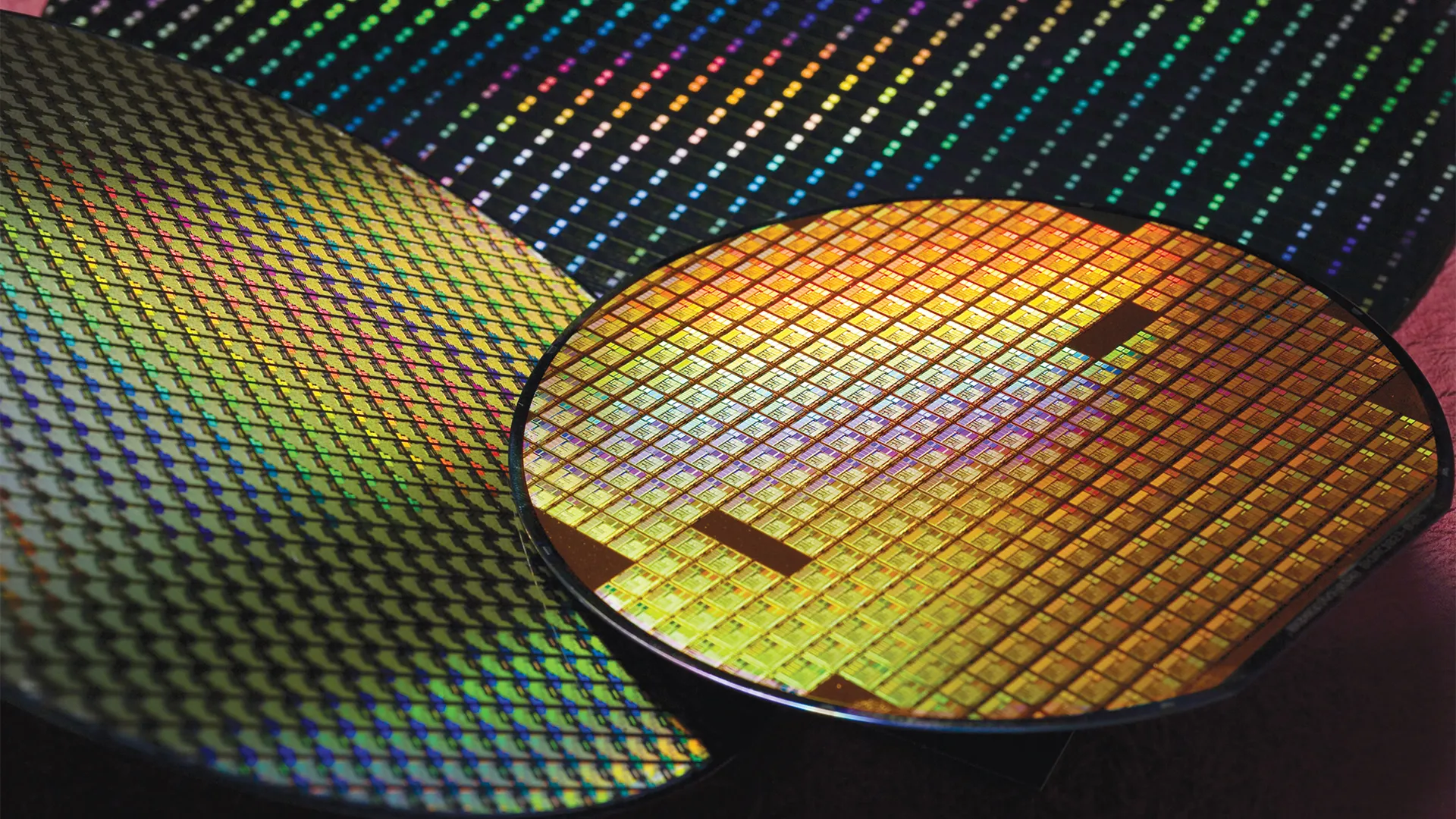
- TSMC reportedly holding roughly $1 billion of finished A20 Pro wafers that cannot be packaged because the DRAM they must be integrated with has not yet arrived
- The bottleneck exists because Apple moved the A20 Pro to TSMC's WMCM packaging, which bonds processor and memory at the wafer level, removing the option of stockpiling finished dies and adding memory later
- The launch is not expected to slip but could mean that post-launch inventory could be dicey, with thin stock and extended delivery estimates the likely outcome for Apple's upcoming devices
Around a billion dollars of finished Apple silicon is reportedly sitting at TSMC with nowhere to go, reports have claimed.
The wafers are processed, the yields are fine, and the chips cannot move to the next stage of production because the memory they need to be packaged with has not arrived.
The reason they cant be stockpiled for later use is a design choice Apple made with TSMC to use its Wafer-Level Multi-Chip Module (WMCM) process instead, an extension of the CoWoS packaging family adapted for mobile parts.
Trouble in smartphone chip paradise?
The reported delay was revealed by Tim Culpan, a Taipei-based semiconductor analyst, who says production of the A20 Pro on TSMC's N2 node is progressing well, with good volume and yields, but wafers are piling up waiting for DRAM before they can be packaged and sent onwards.
These chips will almost certainly power the next generation of Apple devices (probably the iPhone 18 Pro) but there might be a slight twist in the making due to design decisions made by Apple.
Memory shortages delay products all the time, but this one is worth attention because of what Apple changed about how it builds its processors.
For roughly a decade, TSMC packaged Apple's iPhone processors using Integrated Fan-Out, or InFO. Under that approach, the logic die containing the CPU, GPU, and Neural Engine is first fabricated and diced from the wafer, and memory is attached afterward, stacked on top of the finished die in a later assembly step.
The sequencing matters: a memory shortage under InFO delays final assembly but does not stop anything upstream. You keep fabricating logic dies, stockpile them, and attach DRAM when supply arrives.
The A20 Pro, as mentioned previously, uses TSMC's WMCM process instead, an extension of the CoWoS packaging family adapted for mobile parts. WMCM integrates the processor and DRAM at the wafer level, side by side, before either can proceed.
That reverses the sequence. TSMC needs the memory in hand to complete the package, and it cannot be added at a later step, which means Apple cannot bank finished dies against a memory delivery that has not happened yet.
There is a certain amount of irony here: Apple reportedly moved to WMCM specifically to fit more DRAM at lower latency for on-device AI features, since placing memory on the wafer improves both, but an AI-related memory shortage has stalled its progress.
The memory in question is LPDDR5X, and it is scarce because AI infrastructure buildout has absorbed the manufacturing capacity that would otherwise serve smartphones. Apple's on-device AI ambitions are being throttled by the datacenter version of the same ambition.
Culpan reports that Apple and its assemblers remain confident they can meet initial demand and that launch-day orders will be fulfilled without delaying the launch, though we might see thinner supply as a result of the delay.
Apple's exposure runs deeper on the other side of launch day: main logic board assembly and final assembly are largely handled by Foxconn and BYD Electronics, and late deliveries of packaged processors compress their schedules, even if Apple ultimately secures the memory.
The likely outcome is thin retail inventory, a fast preorder sellout, and delivery estimates that stretch out for weeks rather than a phone that does not exist. Apple reportedly plans to ship around 200 million units of the upcoming iPhone across the lineup over its lifespan, against an iPhone 17 range that surpassed 245 million shipments in 2025, so there isn't much room for error here.
Apple's usual LPDDR5X route runs through Micron, with SK Hynix and Samsung alongside, and an attempt to widen it fell over: a reported approach to Chinese memory maker CXMT, apparently aimed at cheaper pricing, did not produce a deal. Renegotiations with existing suppliers reportedly have not landed either, which leaves Apple paying whatever the current market asks. Whether it secures enough supply to avoid the thin-inventory scenario remains to be seen.

Follow TechRadar on Google News and add us as a preferred source to get our expert news, reviews, and opinion in your feeds.
