





Finding someone through social media is not always reliable. Platforms like LinkedIn or Facebook often show multiple people with the same name, incomplete profiles, or outdated details. In many cases, you might have some information but not enough to be certain it is the right person.
But if you use a people-finder tool, it becomes easier to narrow things down. Instead of relying only on a name, these tools use additional details from public records and related sources to give you more context. This can help when information is incomplete, outdated, or spread across different platforms.
Our top three best people search finder services:
Why you can trust TechRadar We spend hours testing every product or service we review, so you can be sure you're buying the best. Find out more about how we test.
The best people search finder TL;DR
Tool |
Best for |
Search types |
Data sources |
Speed |
Pricing Model |
|---|---|---|---|---|---|
Best all-around use |
Name, phone, address, background |
Broad public record aggregation |
Fast |
Trial + membership |
|
Background checks & dark web monitoring |
People, phone, email, dark web |
Public records + data brokers |
Fast (under 5 min) |
Monthly subscription |
|
Phone lookups & vehicle history |
Phone, VIN, people, email |
Telecom data, public records |
Very fast |
$1 trial → monthly |
|
Criminal & court records |
Criminal, traffic, inmate, people |
Court and law enforcement records |
Moderate |
Monthly / multi-month |
|
Social & identity linking |
Username, email, social, people |
Social platforms + public data |
Fast |
Tiered, pay-as-you-go |
What are people search finders?
People search finders are online tools or databases that help users find public information about individuals, often including contact details, addresses, and background details. These services use data from public records, such as property and court information, as well as other available sources like social profiles and data brokers.
Instead of searching across multiple websites, people finder tools organize this information into a single report. This makes it easier to verify identities, fill in missing details, and get a clearer picture of a person when basic searches fall short.
The best people search finders in full
Best overall people search finder

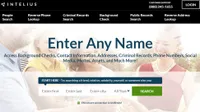
Intelius is the tool you keep bookmarked because it works in most situations. I used it to look up a neighbor after a package mix-up, starting with just a name. The report pulled together address history, phone numbers, photos, and even related people in one place.
A completely different use case came up when my aunt was house-hunting in a new city. She wasn’t looking up a person so much as a place. Using Intelius’s reverse address lookup, she could see ownership history, property details, and even nearby registered offenders before committing to a neighborhood.
You can get started with whatever details you have, whether that’s a name, a phone number, or an address. Pair that with unlimited searches, and you can follow up as needed without spending another dime.
From the start, I found it easy to navigate through the site. The layout clearly separates People and Phone directories, so you know exactly where to begin. From there, you can access public records or criminal and traffic searches, or browse trending names in the news filtered by date. Pretty much all you need is available on the top menu of the homepage.
Pricing
Intelius uses a membership model with low-cost trials for specific searches. Paid plans unlock unlimited searches and full reports across people, phone, and address lookups.
Best for dark web monitoring

A few years ago, TruthFinder averaged 9 million monthly users. It searched through roughly 350 million public records and handled about 300,000 searches per day. Seeing such popular demand, I wanted to try TruthFinder with a real-world search.
When I ran a background check using a known name, the report was ready in under five minutes. Scrolling through addresses, phone numbers, and linked social profiles felt straightforward. Since everything was laid out clearly on the interface, connecting the dots felt easier instead of jumping between different sources.

Data leaks often surface on the dark web long before they turn into real problems. That’s why everyone, from individuals to businesses in finance, healthcare, or retail, benefits from knowing if their sensitive data has been exposed. TruthFinder’s Dark Web monitoring feature can help you do just that.
For example, let’s say you want to track common info like an email address or bank details. If that information shows up on dark web forums or marketplaces, TruthFinder will alert you. This way, you can secure accounts or take action before a small leak becomes a bigger problem. Though it’s a three-step process, the results usually appear within a few minutes.
Pricing
TruthFinder’s main people search plan is priced at $28.33/month, with separate options for reverse phone or email lookups.
BeenVerified

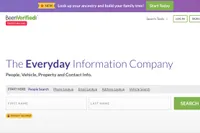
You miss a call from an unfamiliar number while you’re at work. Instead of calling back blind, you drop the number into BeenVerified and see what comes up. When a name appears, along with location history and spam comments from other users, it’s easier to tell whether it’s a real call or something to ignore.
Let’s say you’re browsing cars on AutoTrader and a listing catches your eye. Running the VIN or license plate in BeenVerified can surface accident records, salvage history, recalls, and even past listing prices. That context helps you spot red flags before reaching out or scheduling a visit.
Plus, you can also look into the seller’s background, which adds an extra layer of confidence when something feels off.
People new to people finder tools find BeenVerified easy to get into. Searches run quickly, results are simple to scroll through, and mobile access helps when you’re checking an unknown number or a listing on the go. While some reports are a bit basic, the focus stays on speed and convenience rather than research.
Pricing
BeenVerified offers a $1 trial for limited access, after which plans move to a monthly subscription that renews automatically unless canceled.
Best people search finder for speed

Instead of jumping between county clerks or court websites, Instant Checkmate lets you run a single search. You can see arrest records, traffic violations, warrants, and court documents tied to a person, even if they’ve moved across states.
A friend of mine used the inmate search after losing touch with a relative who had legal trouble years ago. The free search helped confirm that the person was in the system and showed where they were held, while full inmate details required a paid report. Once they were released, upgrading to a full background report made it easier to track address history and find updated contact details without starting from scratch.

While Instant Checkmate leans more toward functionality than ease of use, it has prioritized user support. Last week, I ran into a small issue while updating my password and needed quick help. During office hours, I called the support team and had the issue resolved in one short call.
Though the phone support is limited to office hours, the help center still covers the basics. You can browse help articles, check FAQs, or send an email for follow-up. It’s not a hand-holding setup, but for legal or safety-related searches, structured support does the job.
Pricing
Instant Checkmate offers monthly and multi-month subscriptions, with pricing varying by plan. A free basic inmate search is available, while full background reports require a paid membership.
Best value people search finder

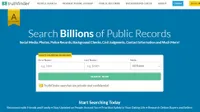
Spokeo is the kind of tool you use when all you have is an Instagram handle, an email address, or a dating app username. You can start there and see which social profiles, photos, or aliases connect back to the same person. It works best when your search is personal, and you’re trying to make sense of someone’s online presence.
That focus carries over into Spokeo’s reports as well. Basic reports cover contact details, social accounts, and location history. If you need more sensitive data later, you can add it. Once you buy a report, it keeps updating as new information appears. So if you’re just suspicious and want to check further, it will come in handy.
Along with contact info and social profiles, you may see address history, known relatives, and work or education background. Some reports also include court or criminal records, marriage or divorce filings, and even lifestyle indicators extracted from public and social data.
And unlike many other people search tools I’ve used, Spokeo’s maintains a solid online presence. The content on their Instagram and YouTube focuses more on real-life situations than marketing. Most of the videos guide you through common issues, such as dating doubts, catfishing, and online trust, rather than just promoting the tool itself.
Pricing
Spokeo offers limited basic results for free, while full reports require a paid membership. Pricing details aren’t fully transparent upfront, but the service follows a tiered model.
How we test the best people search finder services
I test people's search tools the same way most people would use them in real life. Instead of relying on spec sheets, I run everyday searches across tools like BeenVerified, Spokeo, TruthFinder, and Intelius to see how they hold up when the information is incomplete or slightly outdated.
Number of test queries run: I ran dozens of searches per tool using common names, unknown phone numbers, old addresses, and email IDs to mirror real situations like missed calls or online listings.
Types of lookups used: Each service was tested across its core features. For example, reverse phone lookups on BeenVerified, social profile searches on Spokeo, background-style reports on Intelius, and dark web monitoring on TruthFinder.
Accuracy checks: I cross-checked the results against people and details that were already known. This made it easier to spot common issues like mixed profiles, outdated addresses, or missing connections, especially with common names.
Speed checks: Report generation time mattered, but so did the overall experience when running multiple searches in a row. Tools that stayed responsive during back-to-back lookups scored higher.
Pricing transparency: Trials, renewals, and upgrades were reviewed closely. Some tools, like Spokeo and Intelius, handle add-ons very differently, so clear pricing and predictable billing made a noticeable difference.
Report quality: I judged the reports on whether they actually answered the original question. If key details were locked behind multiple upgrades or scattered across sections, the experience felt incomplete.
Overall, the goal was simple: see how these tools perform when you use them the way real people do, with partial information, time constraints, and a specific question in mind.
Use Cases: When You Should Use a People Search Tool
People search tools are useful in everyday situations where you need quick context about someone. From reconnecting with people you lost touch with to verifying identities and avoiding scams, these tools help answer common questions without turning the process into a full background investigation.
Finding old classmates or contacts: People search tools help when you are trying to reconnect with someone you lost touch with. A name and an old city are often enough to surface updated addresses, phone numbers, or relatives who help close the gap.
Verifying identity or legitimacy: When someone reaches out online through email, social media, or a marketplace, a quick lookup helps confirm whether their name, location, and digital footprint line up. It is a practical way to sanity check before engaging further.
Reverse phone or email lookups: If you receive calls or emails from unknown sources, reverse lookups help identify who is behind them. Seeing names, locations, and associated profiles makes it easier to decide whether to respond, block, or ignore.
Finding someone who has moved: People move often, and outdated contact details are common. Address history and related records help track where someone relocated, especially when they have crossed state lines or changed numbers.
Basic background lookups: For casual research like learning more about a neighbor, a new acquaintance, or someone you are working with, people search tools provide surface-level background without formal screening.
Personal safety and scam avoidance: People search tools are often used to screen online dates, buyers, sellers, or unfamiliar contacts. Spotting inconsistencies or red flags early can help reduce the risk of scams or unsafe situations.
People Search vs Background Check: What’s the Difference?
A people search tool is designed for everyday lookups, like finding contact details, social profiles, or address history when you have limited information. A background check takes it a bit further and focuses on legal, criminal, and financial records, often for safety or verification purposes. The key difference isn’t just how much data you get, but how that data is intended to be used and what’s legally allowed.
Key differences at a glance:
Aspect |
People Search |
Background Check |
|---|---|---|
Data depth |
Contact info, addresses, social profiles, relatives |
Criminal records, court cases, financial and legal history |
Compliance |
Not FCRA-compliant |
FCRA-compliant only with authorized providers |
Legal use cases |
Personal research, reconnecting, and online safety |
Employment, housing, credit (when legally permitted) |
Accuracy |
Aggregated from public and web sources |
Verified against official government records |
Why this matters: Using the wrong type of tool for the wrong purpose can lead to incomplete results or legal issues. People search tools are built for personal context and quick answers, while background checks are meant for formal, regulated decisions.
Privacy & Ethical Considerations
People search tools compile information that already exists in public or semi-public sources, such as court records, property data, phone listings, and social profiles. Because this data is aggregated from many places, results can sometimes be outdated or incomplete.
These tools are meant for personal research only. They should not be used for employment screening, tenant checks, credit decisions, or insurance eligibility, since most people search services are not FCRA-compliant. Using them in those contexts can be misleading and legally restricted.
Search results are also based on automated matching. Similar names or shared contact details can occasionally surface the wrong records, so important findings should always be verified through official sources.
Managing Your Own Information: Most people search sites let you opt out or request profile removal if your information shows up. You will usually need to verify your identity, and you may have to repeat the process as databases refresh. If privacy matters to you, checking these sites from time to time is the most reliable way to stay removed.
FAQs
What is a people search tool, and how does it work?
People search tools aggregate public records, contact information, address history, and online data into a single report. Instead of checking multiple databases manually, you can enter a name, phone number, email, or address to help find people or verify identities.
Are people search tools free to use?
People search tools often allow free searches, but the results are usually limited to basic details like a city, age range, or relatives. Full people search reports typically require payment to unlock contact information, address history, and social profiles. Free searches work best for quick validation, not detailed lookups.
Is using a people finder legal?
People finder services are legal for personal research, reconnecting with others, or identity verification. However, people search tools are not FCRA-compliant and cannot be used for employment screening, tenant checks, credit decisions, or insurance eligibility.
How accurate are people search results?
People search results can vary in accuracy because data is pulled from multiple sources. Records may be outdated or linked incorrectly, especially for common names, so people search tools should be used for context rather than final decisions.
Can I remove my information from people search sites?
People search sites usually offer opt-out or profile removal options, but the process varies by platform. You may need to submit an online form and verify your identity. Because databases are regularly updated, your information can reappear, so checking back and repeating the opt-out is often necessary.
When should I use a people search instead of a background check?
People search tools are designed for personal use cases like identifying unknown callers, verifying online profiles, or reconnecting with someone who has moved. They are not meant for legal or professional decisions. Formal background checks are required when laws or regulations apply, such as employment or housing screening.
