





- UK confirms October hack of Foreign Office system, data possibly stolen
- Risk to individuals deemed low; investigation continues, attribution unclear
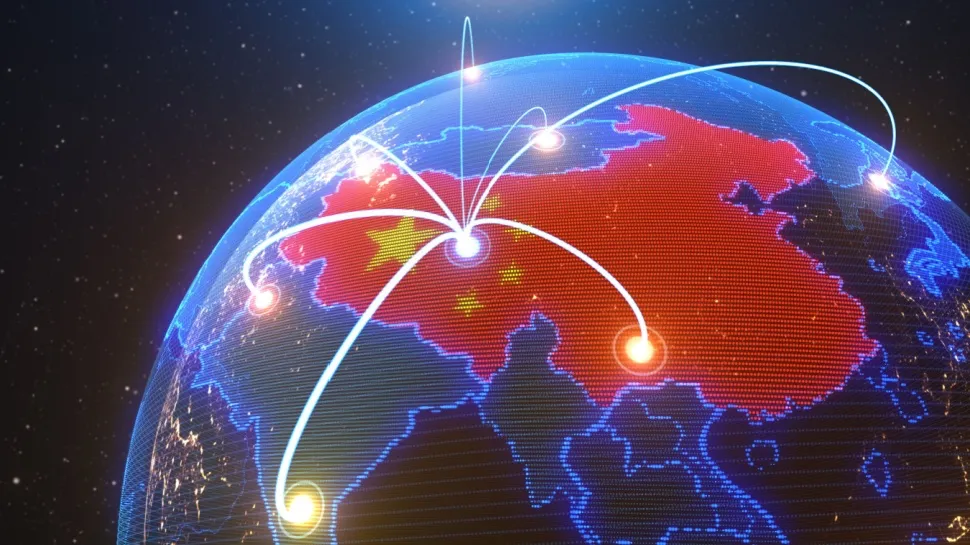
- Chinese state actors suspected but not officially confirmed
The UK government has confirmed speculation that classified government servers were hacked and accessed by threat actors, as former chief advisor Dominic Cummings brought to light.
Reports assessed (as did Cummings) that Chinese state-sponsored threat actors broke into a system belonging to the UK government in October and possibly stole data like visa information.
Now, Trade Minister Chris Bryant has confirmed the findings on BBC Breakfast, but played down the importance of the hit. According to the BBC, a threat actor broke into a system operated by the Foreign Office, on behalf of the Home Office. The break-in was addressed “pretty quickly”, and a more thorough investigation is currently ongoing.
Part of modern life
Bryant did not want to confirm nor deny that it was a Chinese threat actor, saying the investigators “simply don’t know as yet” who is responsible.
He downplayed the importance of the individuals, insisting; "we think that it's a fairly low risk that individuals will have been compromised or affected."
He also said that “government facilities are always going to be potentially targeted,” and that the investigators are now “working through the consequences of what this is.”
"This is a part of modern life that we have to tackle and deal with," he concluded.
For years, government agencies and private cybersecurity organizations in the West were warning about coordinated, organized, and large-scale cyberattacks coming in from China. Multiple threat actors, including Volt Typhoon, Salt Typhoon, APT27, Mustang Panda, have allegedly been targeting critical infrastructure, telecommunications firms, governments, think tanks, and journalists, in an attempt to disrupt key organizations and steal valuable information.
In its first term, the Trump administration even banned Huawei from building out the country’s 5G infrastructure, saying the Chinese government could force the company into installing backdoors for eavesdropping and cyber-espionage.
China has always vehemently denied any such accusations and claims instead that the US is the world’s largest “cyber-bully”.
Via Reuters

➡️ Read our full guide to the best antivirus
1. Best overall:
Bitdefender Total Security
2. Best for families:
Norton 360 with LifeLock
3. Best for mobile:
McAfee Mobile Security
Follow TechRadar on Google News and add us as a preferred source to get our expert news, reviews, and opinion in your feeds. Make sure to click the Follow button!
And of course you can also follow TechRadar on TikTok for news, reviews, unboxings in video form, and get regular updates from us on WhatsApp too.