





Sponsored by

The self-assessment deadline is January 31st: Here are 5 things you need to do to get it done painlessly

It's that time of the year again when self-employed individuals, sole traders, freelancers, and those lucky enough to be making some extra cash on the side through other means are running perilously close to the self-assessment deadline.
HMRC's self-assessment requirement is a big one (failure to submit in time will result in penalties), but it's also an easy one to let slip until the very last minute.
Whether you're a pro by now and you're happy handling the self-assessment all on your own, or you're pulling in the skills of a qualified accountant, this guide sets out five important considerations you should take into account before you put pen to paper (or fill out the online form).
For many submitters, December and January are two of the most stressful months – uncertainty around some processes, last-minute preparation, unfamiliarity with accounting in general, and the otherwise very busy festive period all add up.
Here are five things you need to do to get your self-assessment done painlessly before January 31.
1. Confirm that you actually need to file

For most on-the-books employees, income tax is handled automatically through PAYE. But that doesn't always mean you don't have to do a self-assessment.
More importantly, you should never assume that HMRC will contact you if your circumstances change. HMRC doesn't know if you've started a business, rented out a property, or sold assets, unless you notify them. Failure to do so could result in a penalty, so take the time to consider all the income streams you had during the last tax year.
As a guide, sole traders earning more than the £1,000 allowance and business partners must submit by the January 31 deadline, but other earnings like Capital Gains Tax, the High Income Child Benefit Charge that wasn't paid through PAYE, foreign income, and even income from savings, investments, and dividends must all be declared.
If you're still unsure, HMRC has a dedicated page to explain who the self-assessment applies to.
2: Gather all the evidence you'll need before submitting
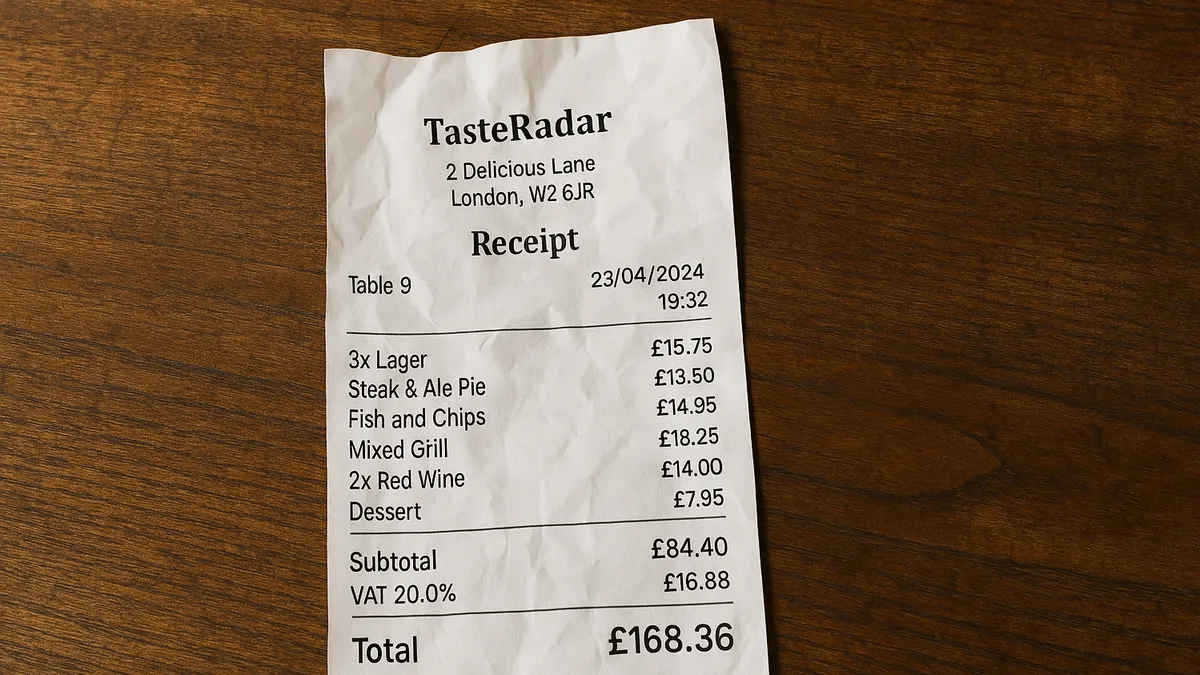
Self-assessments are far easier when they're done in one go – not to mention you'll probably want to see the back of it anyway.
Depending on your situation, you'll need employment income records (such as P60s and P45s), self-employment records, bank statements for interest and dividends, rental records, and more.
Not every section of the form will apply to you, but having the relevant data to hand avoids guesswork and repeated logins. The biggest cause of delays and mistakes is stopping halfway through to track down missing figures.
Once you're finished, store your records safely. HMRC can ask to see supporting documents or receipts for issues going back many years – as far as two decades in some cases.
3: Understand allowable expenses and reliefs

Many sole traders focus so heavily on reporting income that they forget that allowable expenses can actually reduce the tax they owe. Others are just unsure what qualifies, and end up claiming nothing at all. Ultimately, a qualified accountant will be the best person to confirm this for you.
As a guide, if a cost is incurred entirely for business purposes (and you can prove it), it's usually allowable. If something is split-purpose, for example, a phone you use for personal and professional purposes, it becomes less clear, and you'll need to calculate a proportion of the expense accordingly.
Pension contributions are another area that submitters sometimes overlook. Personal pension payments can reduce your taxable income, so you're saving for the future from your pre-tax income. Higher-rate taxpayers may also be entitled to additional relief.
4: Be aware of payments on account
Payments on account are one of the most common surprises for first-time filers. The theory is simple, and sometimes the fact that you've already paid off some of your tax bill can be a saving grace, but you should still be aware of them.
In an ideal world, two payments on account (by July and January) would add up to your tax liability – each is usually 50% of your previous year's tax bill.
However, we all know that taxable income can fluctuate year-to-year, so sometimes you'll need to pay more to make it up. This bigger bill will be added to your January payment on account.
Sometimes you'll have overpaid, so you could be eligible for a refund. To avoid cash-flow stress, it's good practice to set aside a portion of each invoice payment for tax as well as other contributions, like National Insurance and Student Loan repayments.
Of course, you can also collect interest on those earnings before you pay your bill, but remember to declare any interest in your self-assessment (even if it's negligible – let HMRC decide if it's taxable to be safe).
5: Be confident, submit on time and amend later if required

When you're done, read through your self-assessment and cross-reference figures against your evidence to make sure you haven't made any mistakes. Either take a break before coming back to it or ask a trusted individual to help you – a fresh pair of eyes is more likely to spot mistakes.
HMRC permits changes up to 12 months after submission, so if you're made aware of a mistake in your filing, you can go back in and change those details. HMRC will just update your tax bill accordingly.
And try not to submit right before the deadline – systems can be busy, and networks can become overloaded. Instead, get it done early and avoid putting that extra stress on yourself.
In summary...
So, while the self-assessment rarely feels like a priority throughout the year until it suddenly is, this guide shows that you can easily prevent some of that stress by being prepared, keeping records, and getting it done ahead of time.
The key message here is to be thorough with your record keeping, to always file data away securely, and never to be afraid to revisit your previous submission if you need to make a change.
With a methodical approach, plenty of time, and all of that data in place, your January 31 self-assessment deadline can be as easy as just another task ticked off – not the festive headache it's often made out to be.
