


Sponsored by

How AI-powered background checks are becoming a business necessity

Artificial Intelligence (AI)-powered background checks automate analysis of criminal records, employment history, and public records, delivering faster, more accurate results than manual methods.
Businesses now rely on this technology to reduce hiring risks amid rising negligent hiring costs, which can reach 30% of an employee's first-year salary.
With the global background check market projected to grow from $15.54 billion in 2024 to $39.60 billion by 2032, AI integration drives this expansion by addressing efficiency demands in competitive talent markets.

The high stakes of poor hiring decisions
The consequences of hiring mistakes can be severe. When the wrong person joins a company, the fallout often extends beyond financial losses from recruitment and training costs.
Team dynamics can suffer, output may decline, and client trust could be jeopardized. Research indicates that replacing an unsuitable employee can cost twice their annual pay when indirect expenses are factored in.
Alongside financial strain, a mismatched hire can disrupt a company’s culture. Conflicting values or attitudes may lead to workplace friction and a drop in motivation. Loyal, high-performing team members sometimes leave when underperformers in their group burden them.
To avoid costly missteps, businesses should adopt a thoughtful recruitment strategy that emphasizes skill assessment, cultural alignment, and thorough background checks. Investing effort upfront in the hiring process pays dividends by securing stability and success over time.
Financial costs add up quickly
A single bad hire can cost a business up to 30 percent of the employee’s first-year earnings, according to the U.S. Department of Labor. This includes recruiting expenses, onboarding, and training, but the indirect costs are far greater.
Productivity losses occur when managers and team members spend time correcting mistakes or covering for underperformance. There’s also the impact on clients and customers, who may lose confidence after poor service or missed deadlines.
Team morale and company culture take a hit
When a bad hire joins a team, morale often declines. Colleagues may feel frustrated, overworked, or resentful if they must compensate for subpar performance.
Over time, this erodes trust and teamwork. Worse yet, if a poorly aligned employee displays negative behavior or a toxic attitude, the company’s culture can deteriorate.
Strong leaders understand that one disruptive individual can undo years of effort to build a positive, motivating work environment.
Reputation and client relationships at risk
In service-driven industries or customer-focused businesses, the wrong hire can damage reputation almost overnight.
A single unprofessional interaction, mishandled project, or ethical lapse may cost valuable clients or lead to negative online reviews. Rebuilding credibility takes time and resources that could have been better spent growing the business.
Hidden operational impacts
Beyond the obvious costs, poor hiring impacts long-term operations. Chronic turnover leads to lost institutional knowledge and inconsistent workflows.
Departments that rely on stability, such as finance, HR, or logistics, can suffer inefficiencies that slow growth and innovation.
Even organizations with strong systems can find it difficult to recover momentum once hiring mistakes start compounding.
Preventing costly hiring mistakes

While no process guarantees perfect results, several measures reduce the risks of poor hiring decisions:
- Conduct comprehensive background and reference checks.
- Use structured interviews that assess both skill and cultural fit.
- Involve multiple team members in the hiring process.
- Develop clear onboarding and performance review systems.
- Continuously evaluate hiring data to refine decision-making.
Smart hiring is not just about filling roles—it’s about protecting a company’s future. Every new employee contributes to the business’s identity, productivity, and growth. Investing time and resources upfront helps ensure the right people drive the organization forward, rather than pulling it back.
Key advantages of using AI in background check screenings

The integration of AI in background check screenings offers several key advantages that revolutionize the hiring process.
Firstly, one of the most significant benefits is the enhanced speed and efficiency that AI provides. Traditional background checks can take days or even weeks to complete, leading to delays in the hiring process.
In contrast, AI systems can swiftly analyze vast amounts of data and generate comprehensive reports in mere hours. This acceleration significantly reduces the time-to-hire, allowing organizations to secure top talent more quickly.
Moreover, accuracy is greatly improved through the use of AI. Human error is an inherent risk in manual background check processes, where oversight and subjective judgment can lead to inaccuracies.
AI algorithms minimize these risks by relying on standardized data analysis and continuously sourcing and updating information to ensure reports reflect the most current and relevant details about candidates. This meticulous attention to detail provides employers with reliable insights into a candidate’s history and qualifications.
Another vital advantage of AI-driven background checks is their cost-effectiveness. Automation reduces the need for extensive manpower and accelerates workflow, ultimately lowering operational costs. Organizations can allocate these resources elsewhere, enhancing overall productivity and profitability.
Additionally, AI plays a critical role in promoting fairness and diversity in hiring practices. By eliminating unconscious bias that often accompanies human judgment, AI focuses solely on data-driven evaluations.
This objectivity helps to create a more equitable hiring process, where candidates are assessed based on their qualifications rather than subjective criteria.
Data security is also enhanced through the use of AI. With increasing regulatory scrutiny around data protection, AI systems are designed to comply with compliance standards, safeguarding sensitive candidate information against breaches and misuse.
Reliable data management ensures that organizations not only protect their candidates’ information but also maintain trust and integrity throughout the recruitment process.
Furthermore, candidates benefit from a more streamlined and transparent screening experience. The faster turnaround times facilitated by AI mean candidates receive timely feedback, reducing uncertainty and anxiety during the hiring process.
This positive experience can significantly improve an organization's reputation among prospective employees.
Lastly, AI algorithms have the unique capability to identify subtle patterns and potential risks that might elude human screeners.
By employing advanced analytics, these systems can flag potential concerns or red flags that warrant further investigation, enabling hiring managers to make more informed, personalized risk assessments.
This detailed analysis not only enhances the quality of the hiring decision but also contributes to a safer and more secure workplace overall.
Leading AI background check solutions
When it comes to background checks, AI technology is transforming how companies make hiring decisions. These tools are designed to quickly analyze large volumes of data, helping employers verify credentials, screen for risks, and accelerate the recruitment process without sacrificing accuracy.
Some of the best employee monitoring companies stand out because of their blend of automation and thoroughness.
For instance, Checkr is known for delivering swift results, often within minutes, and it’s highly rated for user-friendly interfaces that smooth out the hiring journey.
First Advantage has a broad global reach, spanning more than 200 countries, and offers AI-enhanced verification that supports compliance and risk management.
Bchex combines smart algorithms with human oversight, making background checks efficient while ensuring accuracy.
HireRight focuses on smooth workflows and legal compliance, integrating with numerous hiring platforms. Lastly, iprospectcheck offers dependable, customizable screening services trusted by various industries.
Navigating regulations and risks
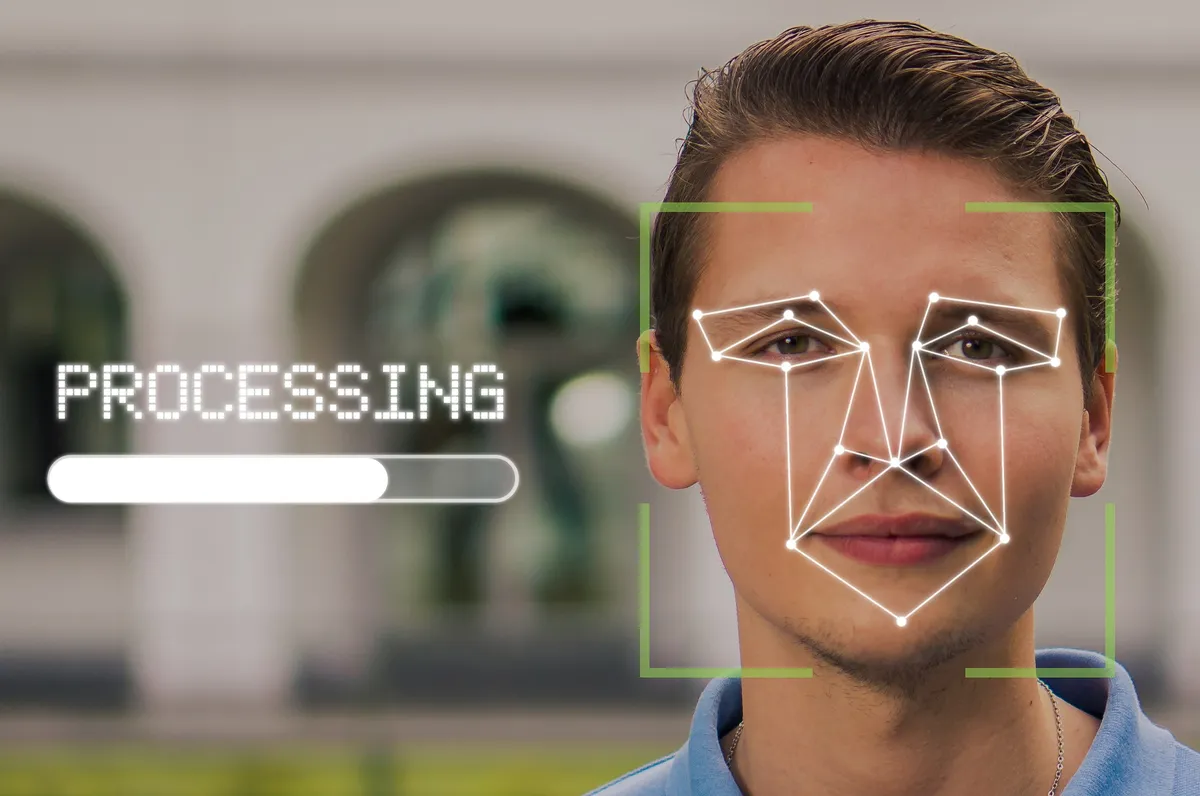
AI streamlines company background checks by automating data verification and analysis, but it introduces significant regulatory hurdles and risks, such as bias and non-compliance.
Key U.S. laws include the Fair Credit Reporting Act (FCRA), which mandates candidate consent, disclosure, and accuracy for consumer reports used in hiring and for AI tools that process criminal records or credit data from third parties.
The Equal Employment Opportunity Commission (EEOC) enforces Title VII, targeting disparate impact when AI selection rates for protected groups fall below the four-fifths rule, and requiring ongoing audits to detect discrimination.
In the United States, Fair Credit Reporting Act (FCRA) obligations arise when hiring software or AI systems that rely on external data sources such as criminal background reports.
Employers must provide clear notices and follow adverse action procedures before denying a candidate based on that data. The Equal Employment Opportunity Commission (EEOC) advises reviewing automated tools comprehensively since human-created algorithms may carry over existing biases and generate uneven outcomes across race, gender, or other protected characteristics.
State-level rules go further: California, for instance, prohibits AI from inferring criminal histories through social media activity and requires employers to maintain AI-related decision records for four years. These records, along with bias audit findings, must be made public and categorized by gender and ethnicity.
Across the European Union, the General Data Protection Regulation (GDPR) sets out strict expectations for explicit consent, data minimization, and transparency in AI-driven screening processes.
Individuals also have the right to challenge employment decisions made solely by automated means. Under the EU AI Act, recruiting and HR software fall into the high-risk category, restricting features such as emotional analysis or nonconsensual biometric data collection.
This framework also calls for continuous risk evaluations and documented human oversight. Organizations processing EU data are expected to complete Data Protection Impact Assessments and demonstrate a clear, limited purpose for using personal information to remain compliant and avoid penalties.
Final words
AI-backed background screening isn’t just a technological upgrade — it’s a strategic safeguard against costly hiring mistakes. In a market where a single bad hire can erode morale, damage reputation, and drain resources, businesses can no longer afford outdated or inconsistent screening methods. AI delivers the precision, speed, and compliance oversight that today’s dynamic workforce demands.
By integrating automated background checks, companies not only protect their financial health but also strengthen team cohesion and trust.
As regulations evolve and global competition intensifies, those who embrace AI-driven verification will lead the way, hiring smarter, faster, and with greater confidence in every decision.
