





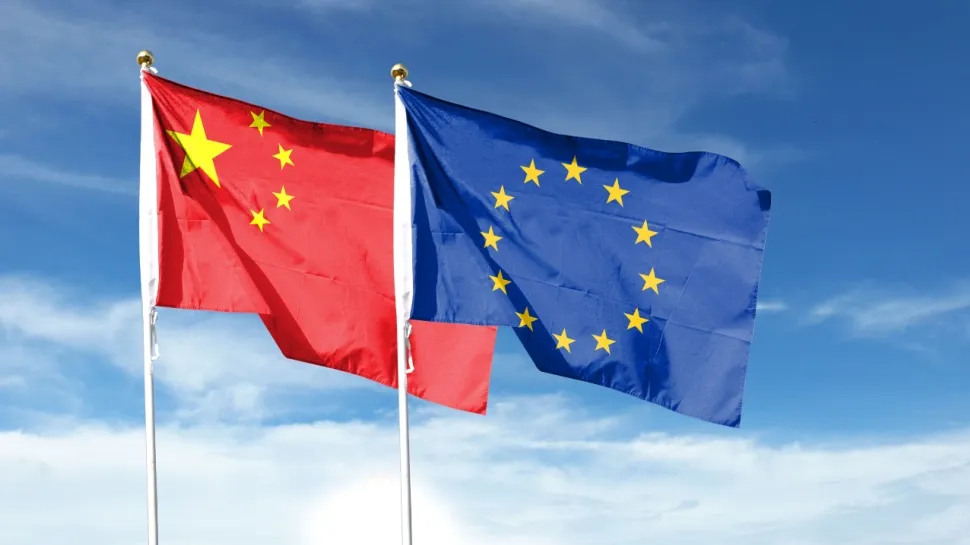
The European Union’s (EU) Artificial Intelligence Act is set to come into effect on August 1, and while it will help to protect the pillars of the EU, it will also increase compliance costs for foreign companies looking to do business with the bloc.
Chinese companies in particular are expecting to have to spend more time and money to remain compliant with the AI act.
AI innovation has been outstripping regulation since OpenAI released its handy AI tool ChatGPT in 2022, prompting many countries and trade blocs to rush to develop legislation to govern how and where AI can be used.
Protecting democracy
The AI Act seeks to protect democracy, fundamental rights, environmental sustainability and the rule of law from ‘high-risk’ AI. However, Partick Tu, co-founder and Chief Executive of Hong Kong-based Dayta AI said that he expects costs for the company to increase 20% - 40% (via SCMP).
The act seeks to regulate AI across 12 main titles covering prohibited practices, high-risk systems and transparency obligations to governance, post-market monitoring, information sharing and market surveillance. However, the act does not govern AI systems and models used in scientific research and development so as to not hinder its groundbreaking impact on this sector.
Companies that do not comply with the act will face fines in the tens of millions of euros, with administrative penalties reaching as high as €35 million (US$38 million) or up to 7% of the companies worldwide annual turnover for the preceding year, depending on which is higher.
Speaking on the Act’s introduction, Emma Wright, partner at law firm Harbottle and Lewis said, “The EU AI Act is the first significant attempt to regulate AI in the world – it remains to be seen whether the cost of compliance stifles innovation or whether the AI governance model that it establishes is a flagship export for the EU.”
“Considering the pace of change in the technology – as shown with the launch of generative AI last year – a further complication could be that the EU AI Act quickly becomes outdated especially considering the timeframes for implementation,” Wright concluded.
More from TechRadar Pro
- Here are the best productivity tools around right now
- China's cloud push is coming at a big environmental cost — and it's affecting Microsoft and others too
- These are the best online collaboration tools around
